Back to Threat Watch Live
Threat Watch Live

Why Smart People Still Click

The psychology behind AI-powered phishing, and what actually changes behavior.

Date
Tuesday, August 18, 2026
Time
1:00 PM Eastern / 11:00 AM Mountain
Format
45-minute briefing + live Q&A
Location
Online. Access details will be sent to registrants.

David Shipley, CEO, Beauceron SecurityHosted by Chad Chiniquy, CRO, Harborcoat

Register

Save your seat

Access details and a calendar invite will be sent by email after registration.

45-minute briefing + live Q&A

Illustration: a current of normal emails containing several malicious emailsA sparse horizontal stream of outlined white and gray envelopes with three orange-red malicious envelopes carrying a small dark exclamation cue. The envelopes drift gently on independent ambient cycles.
Up close

Anatomy of an AI-crafted lure

There is no exploit or attachment in this message. The pressure is behavioral. The example below uses fictional people and reserved .example domains, but its techniques mirror the structure of modern work-themed lures. Select any numbered marker to see what gives it away.

Illustrative example: fictional people and organizations
From
Priya Nair <priya.nair@northgate-apps.example>
To
Jordan Reeves <jordan.reeves@northgate.example>
Date
Tuesday, 4:17 PM
Subject
Revised board deck (v3) from today’s call

Hi Jordan,

Good session on Teams this morning. I have folded your margin commentary into the board deck and rebuilt the Q4 bridge slide you flagged, so the numbers finally tell one story end to end.

Marta wants every lead to review the final figures before the deck goes to the board, and she asked me to confirm your sign-off directly rather than through your team.

If you can check the APAC tab by 7:00 AM tomorrow, I can lock v3 before the 8:00 AM pre-read goes out to the directors.

Open the revised deck (v3)(non-interactive illustrative control)

Thanks,
Priya Nair
Strategy and Planning, Northgate Industries
5 signals to spot

The evidence behind the session

What more than 1 million people reveal about confidence after the click

Beauceron Security has analyzed human-risk data from more than 1 million individuals across more than 1,400 organizations. One result stands out: confidence appears most clearly in what people do after a suspicious message arrives.

Very confident respondents reported suspicious messages at a 50% rate, compared with 14% among those who were not confident at all. They were also more likely to report after clicking, turning a mistake into a faster response.

Research scope: 1M+ individuals across 1,400+ organizations

The reporting gap

Confidence changes what people do next

The clearest gap is not the click. It is the decision to report.

50%vs 14%

Report rate for very confident respondents compared with respondents who were not confident at all.

Very confidentNot confident at all

Shared scale from 0% to 50%

Click rate

Lower is better
Very confident2.8%
Not confident at all5.5%

Report rate

Higher is better
Very confident50%
Not confident at all14%

Post-click report rate

Higher is better
Very confident28%
Not confident at all0%

Based on self-reported confidence in spotting a cyber threat. “Very confident” represents 22% of respondents; “not confident at all” represents under 1%. These comparisons describe the groups and do not prove confidence alone caused the behavior.

Findings from Beauceron Security research. Read the 2026 State of Cybersecurity Awareness Report

Speakers

Harborcoat, with Beauceron Security

Threat Watch Live pairs Harborcoat’s buyer-first security perspective with partners who bring deep, current research. For this session we’re joined by Beauceron Security, whose work on security awareness and human risk grounds the discussion in real data.

Your host

Chad Chiniquy

CRO, Harborcoat

Chad helps business and IT leaders connect security priorities to practical business decisions.

David Shipley

CEO, Beauceron Security

David is an award-winning entrepreneur and global cybersecurity speaker. He co-founded Beauceron Security in 2016 after leading security at the University of New Brunswick. He holds the CISM certification and is a former journalist and Canadian Forces veteran.

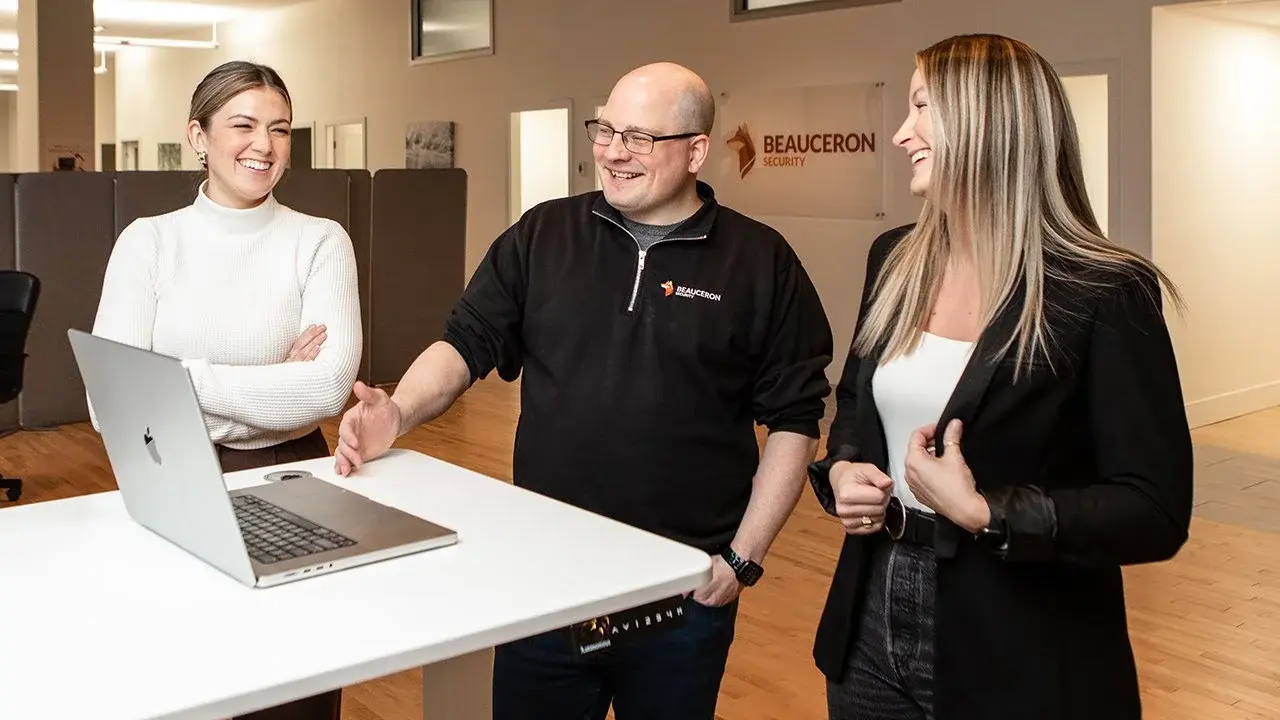
David Shipley in conversation with members of the Beauceron Security team
David Shipley with members of the Beauceron Security team, whose human-risk research grounds this session.
Beauceron Security logo
What to expect

The session, at a glance

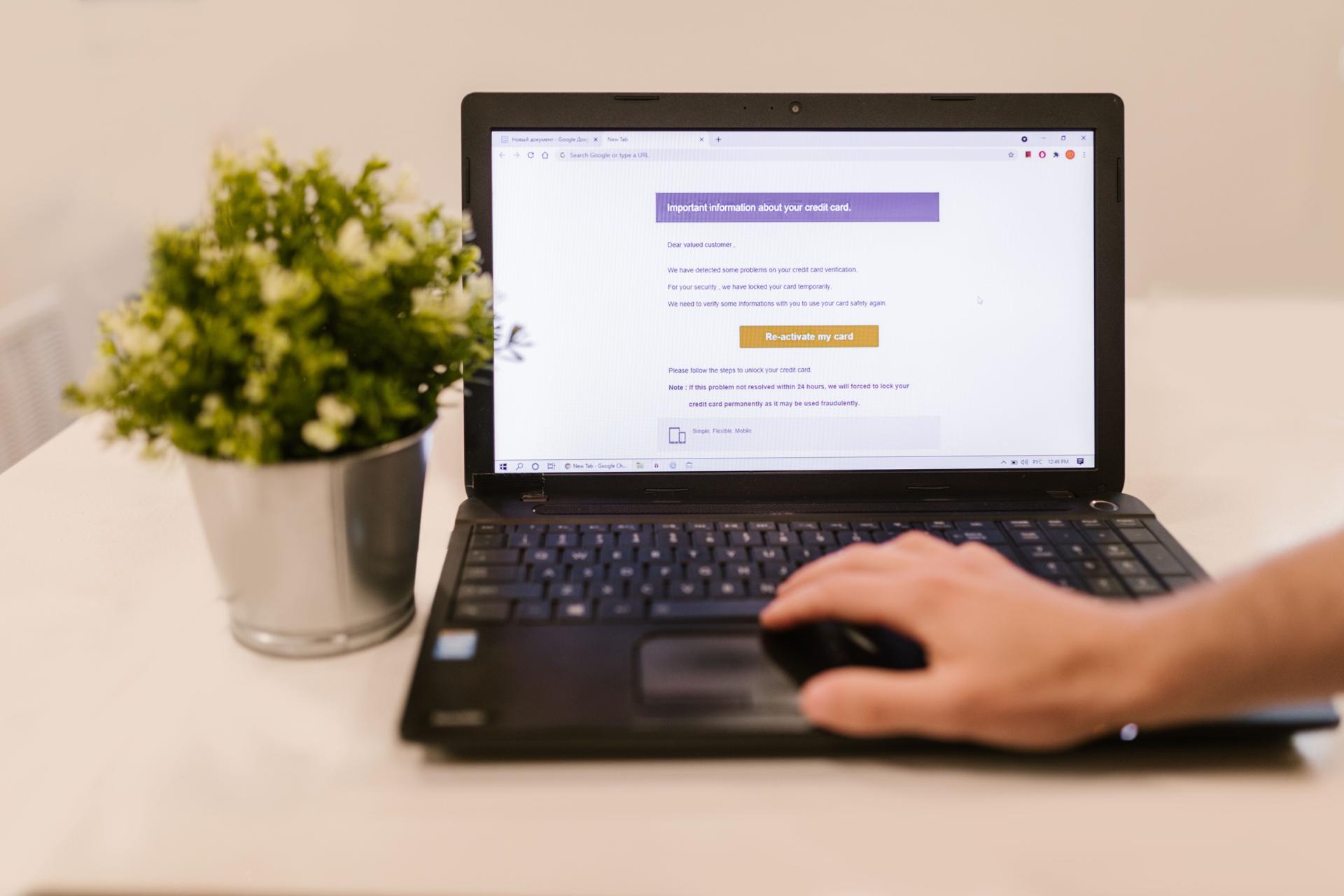
A laptop displaying an unexpected credit-card reactivation message while a person uses the trackpad
The old model advertised itself: a generic greeting, an alarming account warning, and a loud reactivation request. The lures this session covers are quieter, and they read like ordinary work.
  1. 45-minute presentation

    The psychology of the click, what AI has changed about phishing, and the behavior-change evidence, with time built in for context rather than vendor pitching.

  2. 10-minute live Q&A

    Bring your questions. Chad and David answer them live, from awareness program design to measuring real risk reduction.

Ready to join?

Bring the human side of phishing into focus

Built for the people who own human risk.